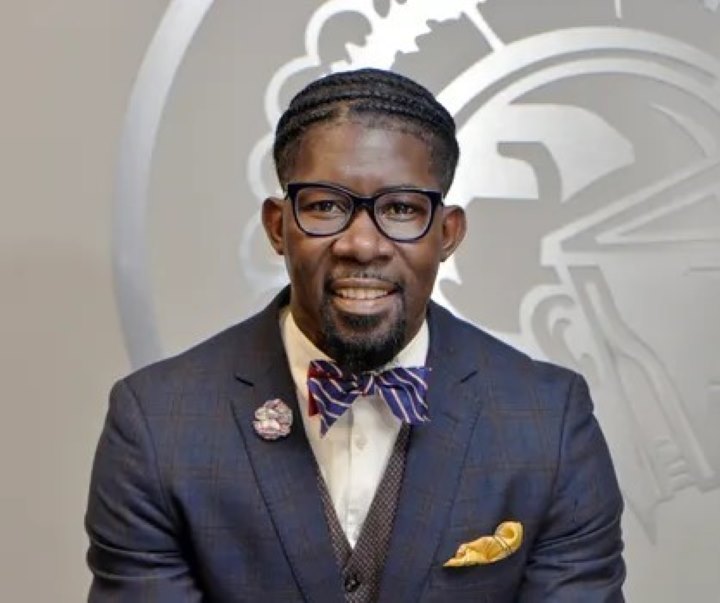
The United States has long defined itself as a land of opportunity, a “shining beacon on the hill” where talent, hard work, and contributions to society are rewarded. Yet the case of Dr. Ian Roberts, an educator who has made a measurable impact on young people and educational systems, raises an uncomfortable question: Should overstaying a student visa outweigh the value of a person’s contributions to the community?
On one hand, immigration laws exist for a reason. They set clear rules for entry, residence, and participation in American life. Allowing exceptions too freely could undermine the integrity of the system and discourage compliance. A rules-based approach ensures fairness, predictability, and respect for legal processes. Supporters of strict enforcement argue that overlooking violations, however well-intentioned, risks setting dangerous precedents.
On the other hand, Dr. Roberts represents the type of immigrant whose presence strengthens rather than weakens the country. His work in education, his service to youth, and his willingness to contribute align directly with America’s stated values. To treat his immigration status as grounds for punishment without regard to his positive impact risks sending a message that America does not value the very traits it claims to uphold.
History shows that the U.S. has, at times, chosen pragmatism over rigid enforcement. After World War II, individuals with deeply troubling pasts were brought to America for their technical expertise in weapons and science. If the nation was willing to make allowances in that context, surely there is room for a more thoughtful approach when dealing with someone whose only misstep (known at this time) is a visa overstay.
The debate, then, is not about ignoring the law but about how the law is applied. Immigration policy should balance enforcement with humanity, ensuring that those who genuinely contribute to American society are given pathways to remain and continue their work.
Dr. Roberts’ case underscores a broader choice for the United States: will it treat people as mere technicalities within a system, or as individuals capable of enriching the nation? Striking the right balance will determine whether America continues to embody the openness and opportunity that have defined it for generations.